Description and Route
Traditionally, pilgrims used this route to avoid the heavy snowfalls and the harsh climatic conditions of the mountains of O Cebreiro on the French Way.
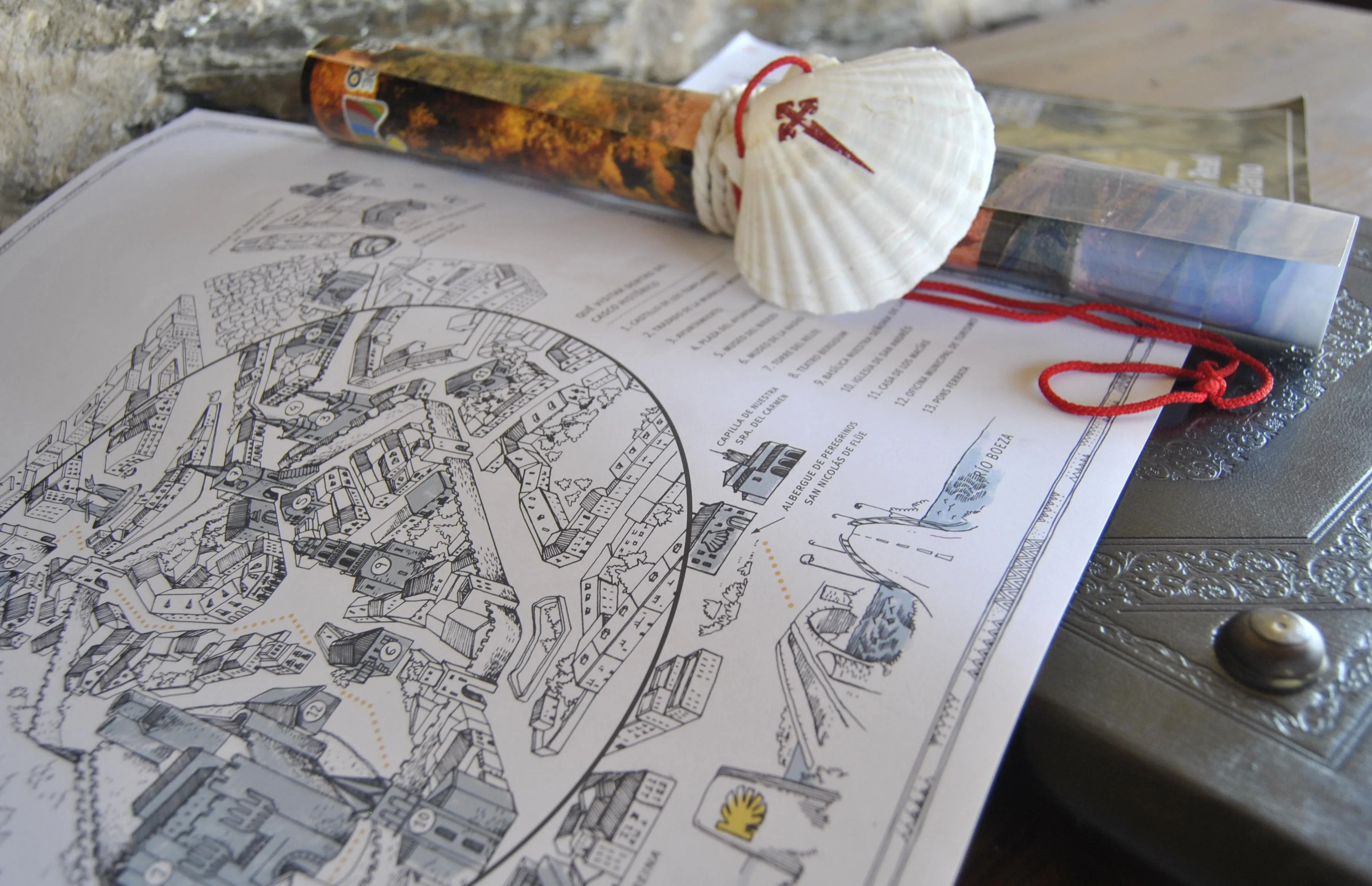
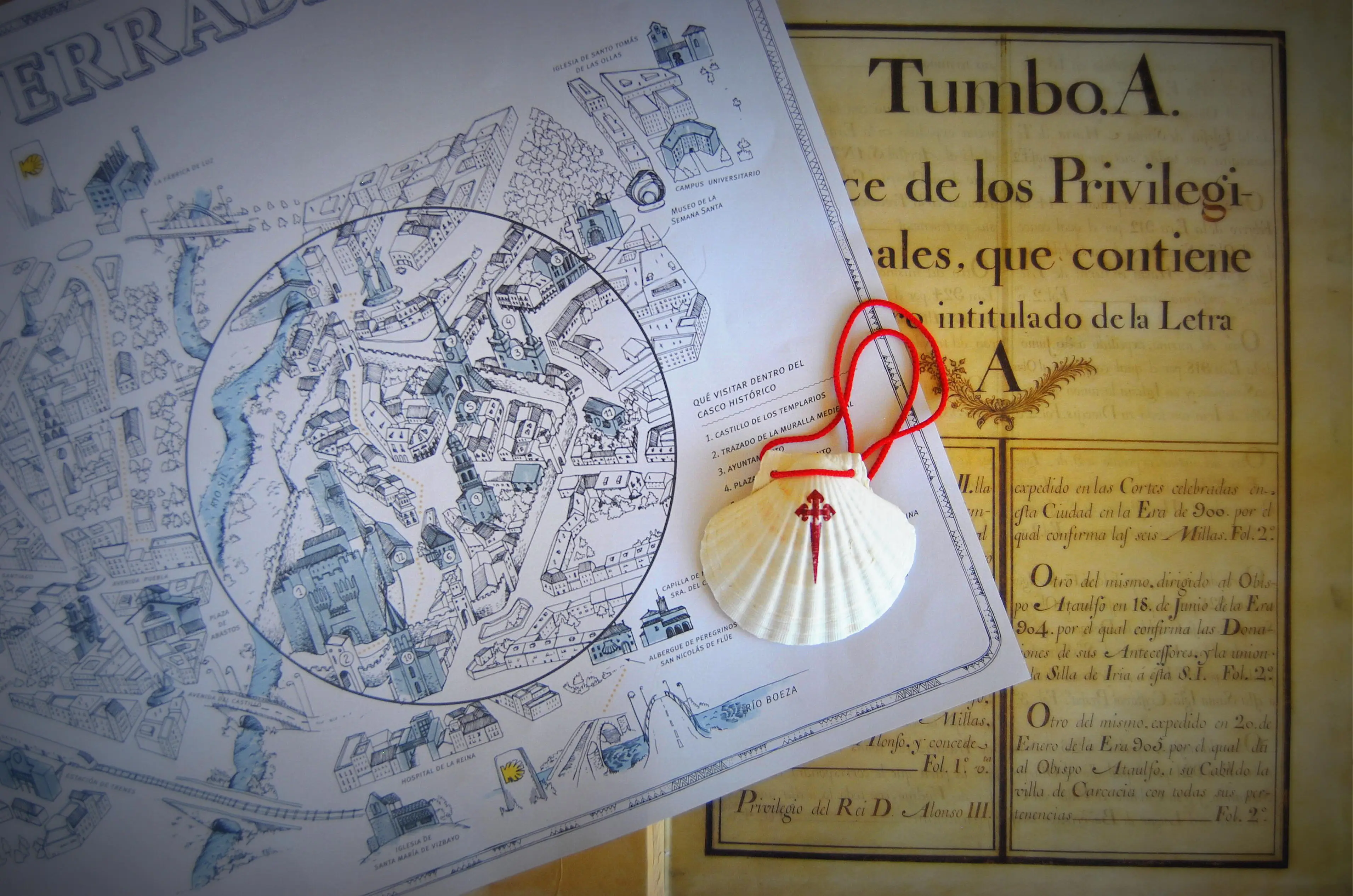
- Start: The Winter Way begins in Ponferrada (León), diverging from the French Way in the neighborhood of Puente Boeza.
- Route: It follows the course of the Sil River, crossing the Leonese region of El Bierzo and entering Galicia through Valdeorras (Ourense). It is the only Jacobean route that passes through the four Galician provinces (Ourense, Lugo, Pontevedra and A Coruña), and crosses regions with great personality such as Ribeira Sacra.
- End: It joins the French Way at A Laxe, in Lalín (Pontevedra), to head towards Santiago de Compostela.
- Distance: It has an approximate total length of 220 to 240 kilometers, usually divided into 8 or 10 stages.
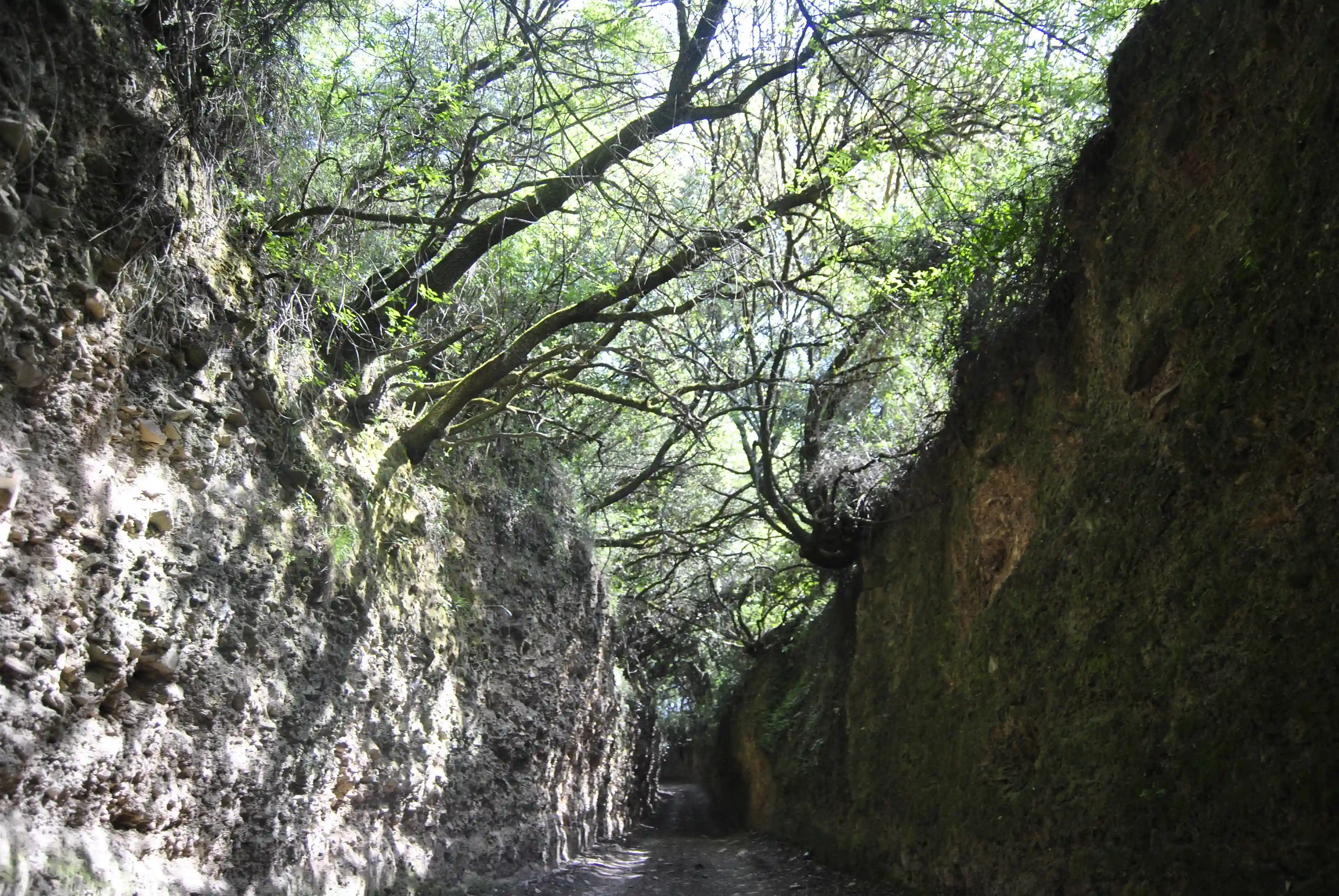
- Difficulty: It is considered medium-high difficulty, suitable for most hikers with basic physical condition, with terrains that include gentle hills, rural paths and riverside trails.
Main Attractions
- Las Médulas: It passes very close to the ancient Roman mining site of Las Médulas, a World Heritage Site, offering spectacular views.
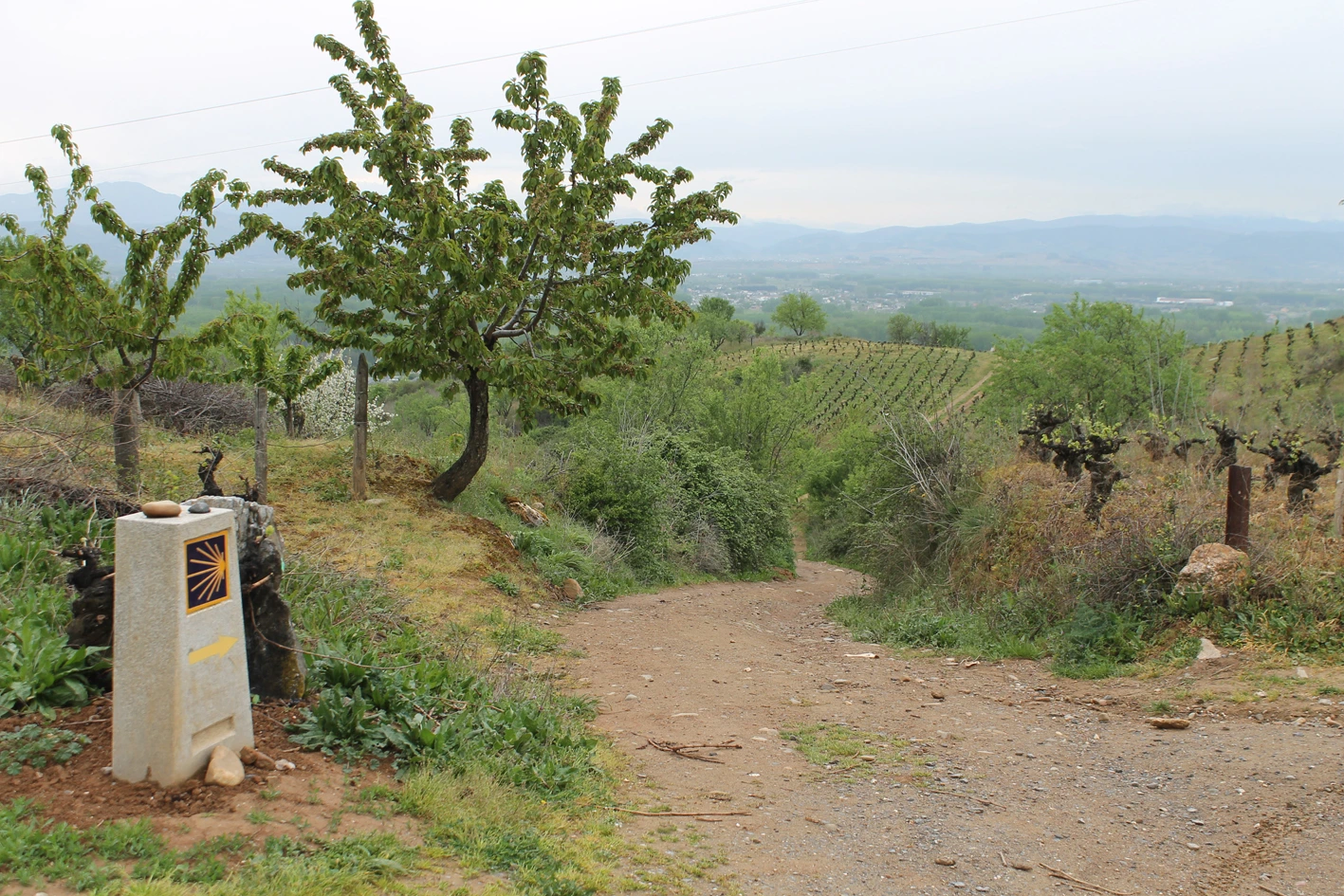
- Landscapes: It offers landscapes of great natural and cultural beauty, following the Sil valley and through the Ribeira Sacra, known for its canyons and terraced vineyards.
- Less crowded: Being less known than the French Way, it is an ideal option for those seeking greater tranquility and a more intimate experience.
📍 Location and contact
- Start coordinates: Ponferrada. The start of the Winter Way in Ponferrada is in the neighborhood of Puente Boeza, near the Boeza River. The approximate coordinates of this point are:
- Latitude: 42° 33' 27'' N
Longitude: 6° 36' 16'' W
- End coordinates: Santiago de Compostela. The end of the Winter Way, like other Jacobean routes, is the Cathedral of Santiago de Compostela:
- Latitude: 42° 52' 49'' N
Longitude: 8° 31' 32.5'' W
- Web: Official and Institutional Websites
- Association of Municipalities of the Winter Way (Official Website): caminosantiagodeinvierno.org. This is the official portal of the association that promotes and maintains the route, with institutional information and resources for the pilgrim.
- Tourism of Galicia (Xacobeo): www.caminodesantiago.gal. The official website of the Galician government with details about the route layout, the history, the pilgrim credential and obtaining the Compostela for this route.
- Guides and Pilgrim Portals
- Gronze.com (Winter Way Guide): www.gronze.com. One of the most popular and reliable guides among pilgrims, with detailed descriptions of the stages, maps, elevation profiles, lists of hostels and updated user comments.
- Consumer Eroski (Winter Way Guide): www.consumer.es. A complete and practical guide with advice on preparation, what to bring and a detailed description of each stage.
- Phone:
- Emergencies: As anywhere in Spain, the European emergency number, 112, is the number you must dial in case of any medical emergency, accident or dangerous situation.
- Association of Friends of the Winter Way in Valdeorras: +34 616 124 521. This is the contact of one of the associations that promote the route.
- Pilgrim Reception Office (Santiago de Compostela): +34 981 56 88 46. This number is useful for any inquiry related to the credential, the Compostela or the arrival in Santiago.
- Local tourism offices: Each municipality through which the Winter Way passes will have its own tourism office with its phone number. To find a specific number, you can consult the Galicia tourism website (caminodesantiago.gal).
- RRSS: The Winter Way of Saint James does not have unified official profiles for the entire route, but you can find an active community and relevant information through the social networks of associations and guide portals.
- Communities and Popular Guides
- Facebook - Association of Municipalities of the Winter Way: www.facebook.com. Official profile of the promoting association, where they publish updates, events and news about the route.
- Facebook - Group “Friends of the Way of Saint James” (Gronze.com): www.facebook.com. The largest group of pilgrims, where information and advice about all routes are shared, including the Winter Way.
- Instagram - Gronze: @gronze. They publish photos, advice and hostel updates.
- Official and Institutional Profiles
- Twitter - Tourism of Galicia (Xacobeo): @CaminoXacobeo. They publish official information and news about all Jacobean routes in Galicia, including the Winter Way.
- Twitter - Pilgrim Office of Santiago de Compostela: @oficinadelperegr. They publish official information about the arrival of pilgrims and the “Compostela”.
- Instagram - Pilgrim Office: @oficinadelperegrino.
🕒 Schedules: The Winter Way of Saint James, being an outdoor pilgrimage route, does not have a fixed opening and closing schedule. However, there are relevant schedules to take into account, especially regarding hostels and other services.
- Hostel and accommodation schedules: The schedules of the hostels on the Winter Way are similar to those of other routes, although availability in the low season may be lower.
- Opening: Most hostels open in the early or mid-afternoon, usually between 13:00 and 15:00, to receive pilgrims.
- Night closing: Doors are closed at night, generally between 22:00 and 23:00, to ensure rest.
- Departure: Departure is usually required in the morning, around 8:00 or 9:00, for cleaning the facilities.
- Variability in winter: The availability of public and private hostels may vary during the winter months. It is recommended to confirm the opening of accommodations before each stage, using updated guides such as Gronze.com.
- Schedules in Santiago de Compostela: At the end of the route in Santiago, the schedules are the following:
- Pilgrim Office: Winter schedule (October 16 to April 30): Open every day from 10:00 to 18:00. Closed on December 25 and January 1.
- Cathedral of Santiago:
- Winter schedule (November to March): Open from 10:00 to 20:00.
- Pilgrim Mass: Several masses are celebrated each day at the main altar of the Cathedral. The usual schedule is at 7:30, 9:30, 12:00 and 19:30, but it may vary, so it is recommended to consult the official Cathedral website to confirm.
💸 Fees: The Winter Way of Saint James, being a public pilgrimage route, does not have a fixed fee. Costs depend on the budget and style of each pilgrim. The infrastructure is good, but less dense than on the French Way, so it is important to plan expenses.
- Accommodation costs
- Public and association hostels: The price is usually a suggested donation or a low fee, generally between €8 and €12 per night.
- Private hostels: Rates vary, but usually range between €12 and €20 per night.
- Accommodation in winter: Some hostels may be closed in the winter season, so it is recommended to confirm their opening and book in advance.
- Food costs
- Pilgrim menu: Many bars and restaurants along the route offer the pilgrim menu, which includes a first course, second course, drink and dessert. The price usually ranges between €10 and €15.
- Breakfast: The price of a breakfast in local establishments may range between €4 and €5.
- Kitchen option: Some hostels have a kitchen, which allows pilgrims to reduce expenses by preparing their own meals.
- Additional costs
- Pilgrim credential: It is necessary to stay in public hostels and obtain the Compostela. The cost is about €2, and it can be obtained from associations of friends of the Way or at the start of the route.
- Backpack transport: Transport service companies such as Correos, Pilbeo or Jacotrans offer the option of transporting your luggage between stages. The rate per backpack and stage is usually about €6 to €8.
- Equipment transport: The cost of buying or renewing equipment for the Way (footwear, backpack, sleeping bag) can range between €250 and €500.
- Estimated daily budget: A pilgrim on a tight budget staying in public hostels and opting for the pilgrim menu can estimate a daily expense of between €30 and €45.
👥 Capacity: The Winter Way of Saint James, being a public pilgrimage route and less crowded than the French Way, does not have a fixed capacity. Capacity is measured according to available accommodations and the influx of pilgrims.
- Hostel capacity
- Varied capacity: The capacity of hostels, both public and private, varies considerably. There are small hostels with only 10-18 places, while others, such as the one in Quiroga, have greater capacity (up to 90 places).
- Less overcrowding: The main advantage of the Winter Way is precisely its low overcrowding. Although the number of pilgrims has increased in recent years, it is still an ideal option for those seeking tranquility and not having occupancy problems.
- Accommodation in winter: Some hostels may close during the winter months, so it is important to plan ahead and confirm the opening of accommodations at each stage.
- Pilgrim influx
- Pilgrim Office statistics: The data reflect that the influx is significantly lower than on the French Way. For example, in 2024, a 42% increase in pilgrims on the Winter Way was recorded compared to the previous year, but the total figure remains much lower than that of the French Way.
- Distribution: The number of pilgrims is distributed along the nearly 220 km of the route, which avoids crowds at a specific point.
- Capacity in the Cathedral of Santiago
- Pilgrim Mass: As with the French Way, the Cathedral of Santiago de Compostela has an estimated capacity of 1,500 people for the Pilgrim Mass. The attendance at this ceremony, however, will be significantly lower for pilgrims of the Winter Way than for those arriving via other more popular routes.
♿ Accessibility: The Winter Way of Saint James presents serious accessibility limitations for people with reduced mobility or in wheelchairs, as it is not a route designed to be accessible. The route crosses valleys, mountains and rural areas with uneven, narrow terrain and significant slopes.
Accessibility challenges
- Terrain and slopes: Unlike some sections of the French Way, which have been improved by entities such as the ONCE Foundation, the Winter Way runs through less adapted terrain, with sections of medium-high difficulty. There are stony paths, dirt roads and steep slopes.
- Limited infrastructure: Being a less crowded route, the infrastructure of hostels and services is less dense, and not all accommodations are adapted for people with reduced mobility.
- Climatic conditions: Winter weather conditions add an additional challenge, with possible rain, mud or frost that can make the route more complicated.
Options for people with reduced mobility
- Exhaustive planning: To undertake the Winter Way with reduced mobility, very detailed planning and significant logistical support are essential, often in a group and with all-terrain wheelchairs.
- Specialized support: Organizations such as DisCamino help people with disabilities to complete the Way, providing the accompaniment and assistance necessary to face the limitations of the route.
- Accessible alternatives: The French Way, especially the final stretch from Sarria, is considered the most accessible Jacobean route for people with reduced mobility and has specific information on the website of the ONCE Foundation.